 WhatsApp



Warehouse racking is subject to strict safety regulations and proper documentation isn’t just good practice, it’s a legal requirement. Whether you’re managing a small storage facility or a large distribution centre, keeping clear, accurate records of your racking system protects your staff, your stock and your business.
Why Documentation Matters
Under HSE guidance and SEMA (Storage Equipment Manufacturers’ Association) codes of practice, businesses are expected to demonstrate that their racking is safe, correctly specified for its load and regularly inspected. Good documentation provides evidence of due diligence should an incident occur and it also helps you plan maintenance, budget for repairs or replacements and make informed decisions about whether ageing racking should be upgraded or removed.
SELL YOUR USED RACKING
What You Should Be Recording
A sturdy compliance file should include:
- Manufacturer’s specifications - original load capacity data, beam and frame ratings and installation guidelines
- Load notices - clearly displayed signage showing maximum bay and shelf loads, visible to all warehouse staff
- Inspection records - both routine internal checks and formal annual inspections carried out by a SEMA-approved rack safety inspector
- Damage reports - photographs and descriptions of any dents, bends, twists or corrosion, along with the date identified and action taken
- Maintenance and repair history - records of replaced parts, realignments or reinforcements
- Layout drawings - up to date plans showing racking layout, aisle widths and fire escape routes
Setting Up an Inspection Routine
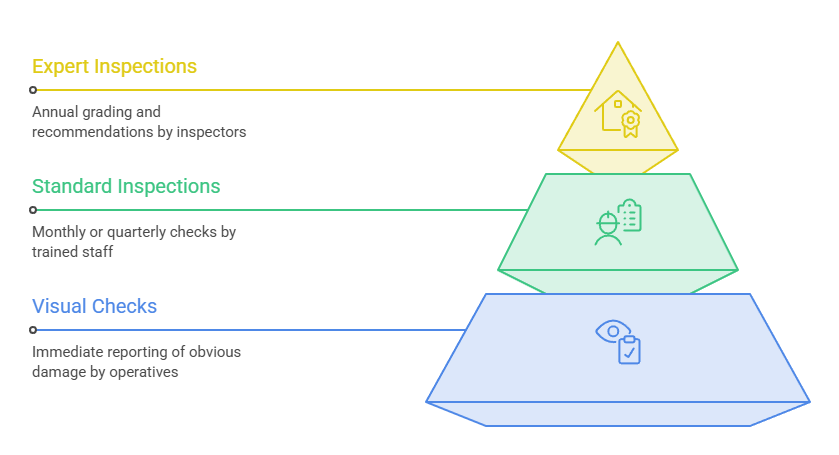
Most compliance frameworks recommend a three-tier approach:
- Immediate visual checks by warehouse operatives, reporting any obvious damage straightaway
- Monthly or quarterly inspections done by a trained staff member, using a standard checklist
- Annual expert inspections by a qualified rack safety inspector, who will grade any damage and recommend remedial action
Keeping these records organised, whether digitally or in a physical file, makes it far easier to track patterns of wear and demonstrate a consistent commitment to safety.
When Racking No Longer Meets Standard
Sometimes documentation reveals that racking has reached the end of its safe working life. Persistent damage, obsolete load ratings or warehouse redesign may mean it’s time to remove and replace your system entirely.
Good documentation isn’t just about ticking a regulatory box, it’s about creating a safer, more efficient warehouse. If your records point towards and upgrade, get in touch with Rackbuy for a straightforward, hassle-free solution to sell your old racking, shelving or mezzanine flooring.