WhatsApp



Space is tight, stock is growing and every square metre counts. If you’re running a small warehouse, getting your shelving right from the start can make the difference between smooth daily operations and a constant battle against clutter. The good news is that there are several proven systems designed to handle these conditions and knowing what each one does well makes it far easier to choose.
Start With What You're Storing
Before deciding on a system, think about the nature of your stock. Are you handling loose items picked by hand, bulky goods on pallets or a mix of both? The weight, size and turnover rate of your products should drive every decision you make about shelving. A small warehouse used for e-commerce fulfilment has very different needs to one storing construction materials or engineering parts.
The Most Practical Options for Small Warehouses
Longspan Shelving
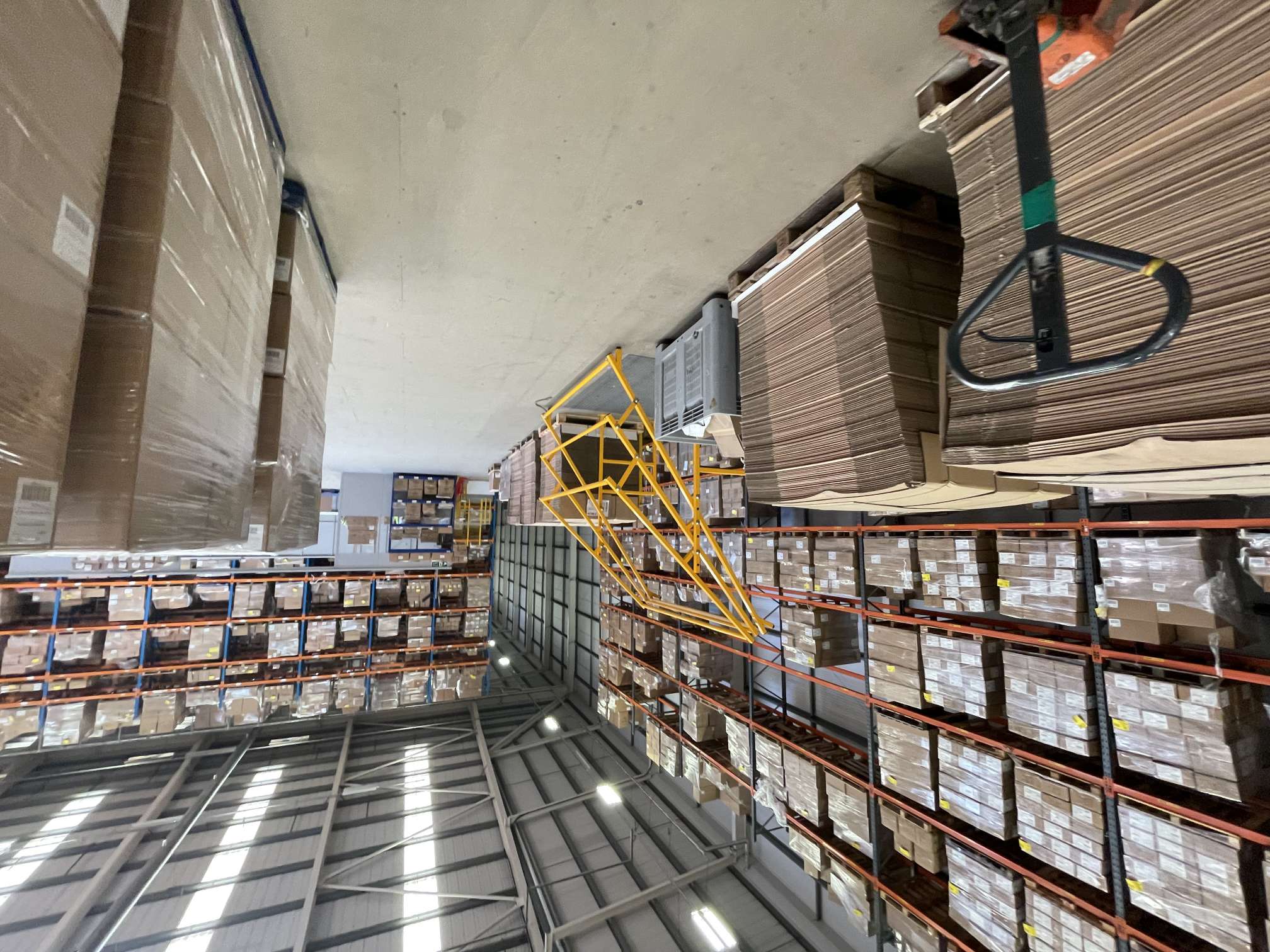
Longspan shelving is one of the most versatile choices for smaller operations. It’s designed for manually handled goods — cartons, bagged products, loose items and everything in between. Bay widths typically run between 1.8m and 2.7m and the shelves are adjustable, so you can reconfigure them as your stock profile changes. It’s easy to install, relatively affordable and second-hand units are widely available in good condition.
Boltless (rivet) Shelving
For lighter loads and fast-access storage, boltless or rivet shelving is hard to beat. As the name suggests, it clips together without tools, making it quick to assemble and simple to reconfigure. It works especially well for boxed goods, small parts and retail-style stock. Load capacities are lower than longspan, so it’s not suited for heavy items, but for picking operations and general storage, it’s a solid choice.
Adjustable Pallet Racking
If pallets are part of your workflow, adjustable pallet racking (APR) gives you the most flexibility. Uprights and beams can be repositioned to accommodate different pallet heights and the system scales easily as your storage needs grow. Even in a small space, a two or three-bay run of APR can transform how effectively you store and retrieve goods.
Narrow Aisle Racking
Where floor space is particularly limited, narrow aisle racking reduces the width needed between bays, typically from around 3.5m in a standard aisle to 1.6m or less. This means more storage in the same footprint, though it usually requires a specialist truck to operate safely.
Questions to Ask Before You Buy
- What is the maximum weight per shelf level you need?
- Will goods be picked by hand or moved with equipment?
- How often does your stock mix change?
- Do you have height available to work with?
- Is second-hand shelving an option to reduce upfront cost?
Whether you’re looking to buy, sell or simply clear out storage equipment you no longer need, we can help. Get in touch with a member of our team today.